Softball Cleats vs Turf Shoes: When Each One Actually Matters
Quick Answer: Wear molded cleats on natural grass and dirt infields for real traction during cuts and sprints; wear turf shoes on artificial turf or indoor practice surfaces, where cleats can actually reduce grip and increase joint strain. Metal spikes are a separate category reserved for leagues that allow them.
The two look close enough in a gear bag that it’s tempting to treat them as interchangeable. On the actual surface, though, the wrong choice shows up fast — either you’re sliding when you shouldn’t be, or you’re catching a cleat stud on turf in a way that stresses your knee.
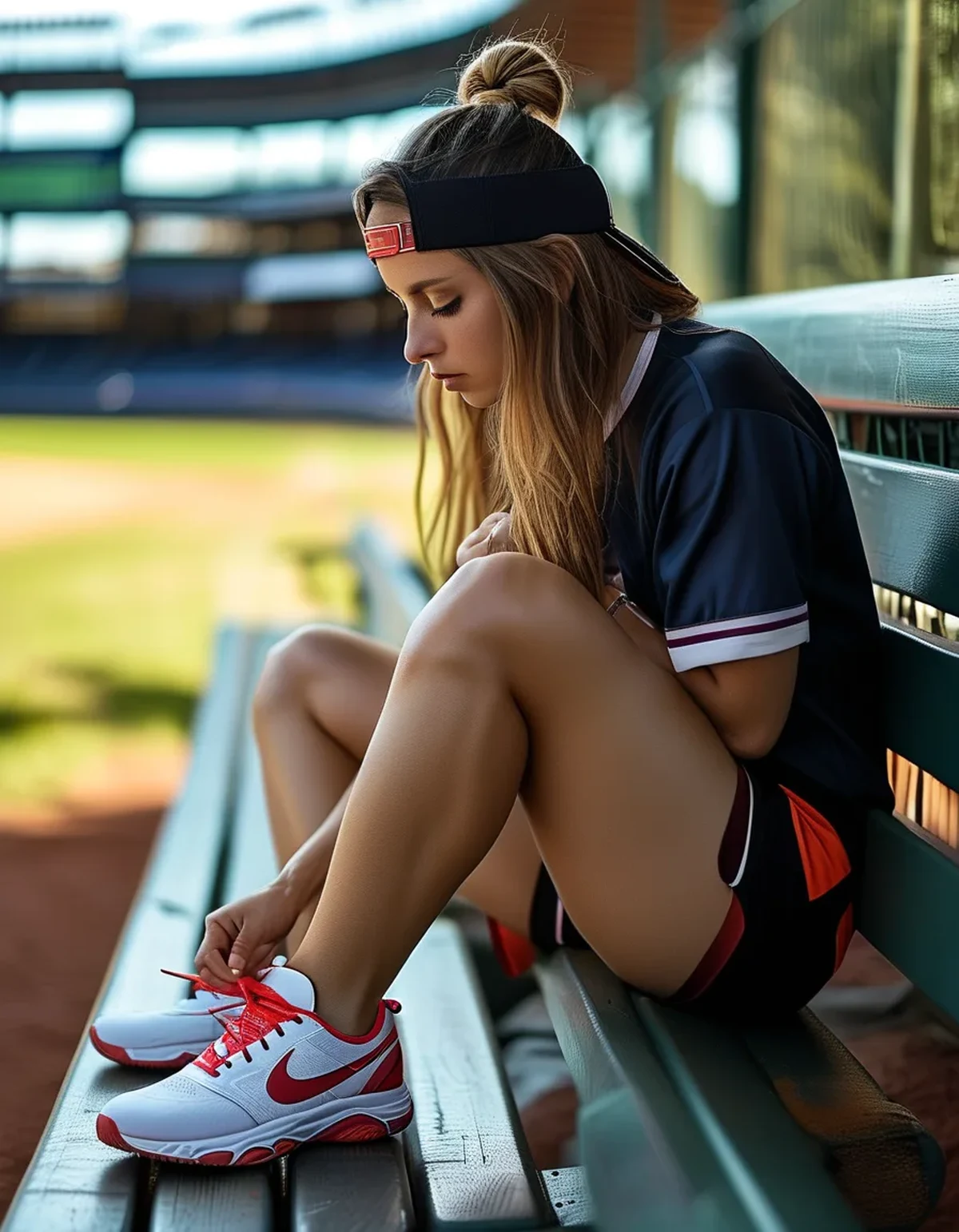
Why don’t cleats work well on artificial turf?
Cleat studs are designed to dig into natural dirt and grass, creating the deep grip needed for explosive sprints and direction changes on a softer, more forgiving surface. On artificial turf, those same studs can grip too aggressively against the dense, less-forgiving synthetic surface, which increases the chance your foot stays planted while your body continues rotating — a common mechanism behind turf-related ankle and knee injuries.
Turf shoes use a pattern of small rubber nubs instead of tall studs, giving enough traction for quick movement without the excessive grip-and-hold effect that taller cleat studs create on artificial surfaces.
Is there a real performance difference, or is it mostly about injury prevention?
Both, honestly. Beyond the injury consideration, turf shoes are generally lighter and lower-profile than cleats, which some players find gives a quicker, more responsive feel during turf practice sessions or indoor facility work. Cleats on turf can also feel unstable underfoot in a way that subtly affects footwork and confidence during fielding drills.
On natural grass or dirt, the reverse is true — turf shoes simply don’t grip well enough for hard cuts, sprints out of the batter’s box, or fielding on a softer infield, which is exactly the traction cleats are built to provide.
Players who split time between both surfaces often notice the difference most in base running specifically — a slight loss of traction out of the batter’s box on dirt while wearing turf shoes can shave real time off an infield hit, while the wrong grip on turf during a quick cut fielding a ground ball can throw off your footwork just enough to be late on the throw.
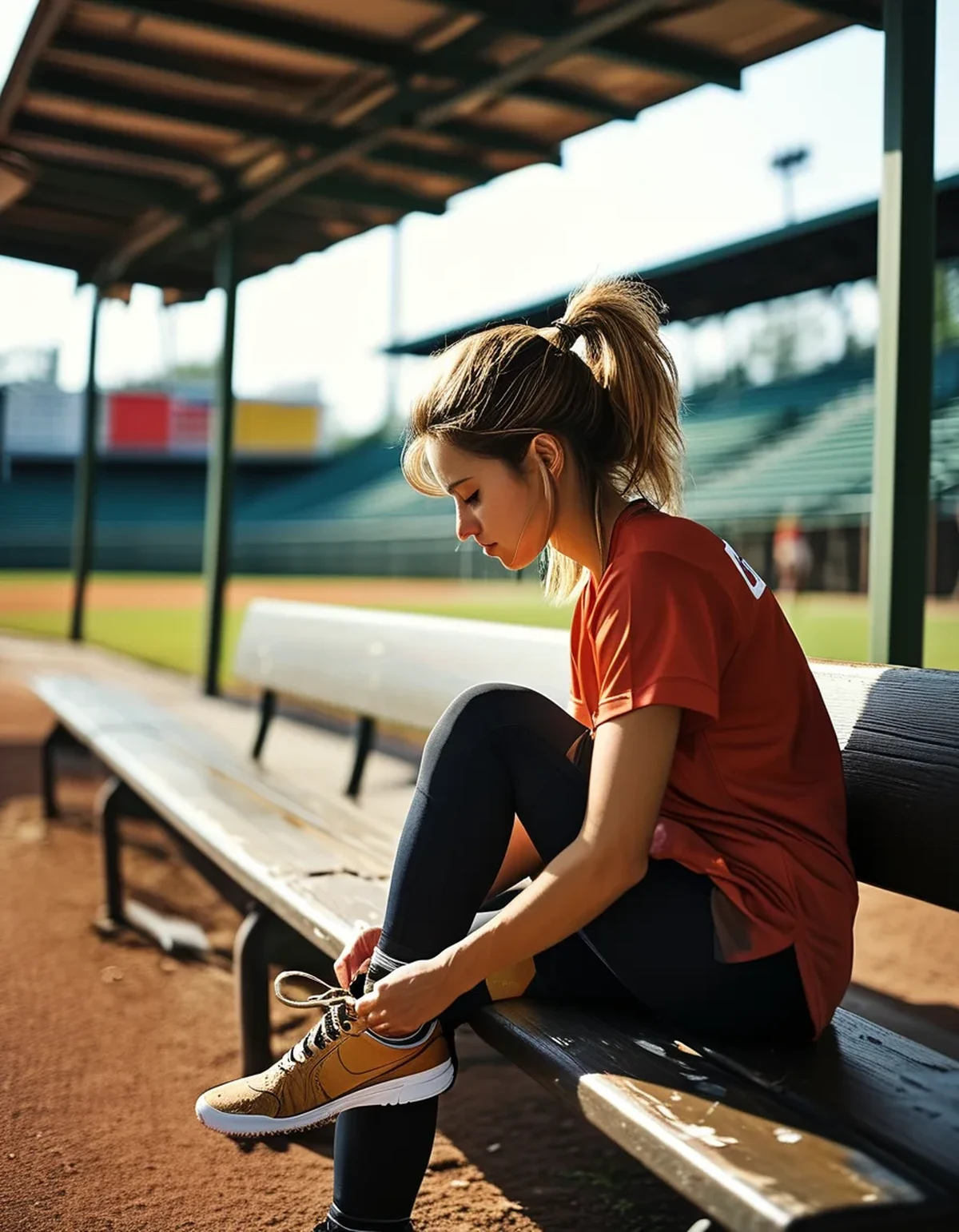
Myth vs Fact: Softball Footwear
Myth: Any athletic shoe works fine for indoor softball practice. Fact: A dedicated turf shoe still outperforms a generic training shoe for the specific lateral movement and quick stops softball demands, even indoors.
Myth: Metal spikes are just a more aggressive version of molded cleats. Fact: Metal spikes are typically reserved for higher levels of play where leagues specifically allow them, and many youth and rec leagues prohibit them entirely for safety reasons — always check your league’s rules before buying.
Myth: Turf shoes are just cleats with the studs shaved down. Fact: Turf shoes use an entirely different sole design (small rubber nubs in a dense pattern) rather than simply being a shorter-stud cleat — they’re built for a different traction profile altogether.
What should you actually own if you only want to buy one pair?
If your season is played almost entirely on natural grass and dirt fields, molded cleats are the more essential single purchase, since turf sessions are the exception rather than the rule for most rec league schedules. If you regularly practice at an indoor turf facility or your league plays primarily on artificial surfaces, prioritize turf shoes instead and treat cleats as the secondary pair.
Many serious players eventually own both, since neither surface type is going away from a typical season that mixes outdoor games with indoor or turf practice sessions.
FAQ: Softball Cleats vs Turf Shoes Questions, Answered
Can I wear cleats on turf if it’s just for a short warmup?
It’s not ideal even briefly, since the grip mismatch that causes strain can happen in a single hard cut, not just extended wear — worth swapping shoes even for short turf sessions if you have turf shoes available.
Do turf shoes work for other sports too, or are they softball-specific?
Turf shoes are generally multi-sport and work well for soccer, field hockey, and other turf-based training, so the purchase isn’t limited to softball use only.
How do I know if my league allows metal spikes?
Check your specific league or organization’s rulebook — many youth and recreational leagues restrict metal spikes to higher competitive levels, so don’t assume they’re allowed without confirming first.
TL;DR:
- Cleats grip natural grass and dirt; turf shoes are built for artificial surfaces and indoor practice
- Wearing cleats on turf can increase injury risk due to excessive stud grip on a dense synthetic surface
- Turf shoes use small rubber nubs, not shortened cleat studs — it’s a different design entirely
- Buy based on where you play most, and add the second pair once your schedule justifies it
Match the shoe to the surface, not just the sport, and you’ll get both better traction and fewer nagging joint issues by the end of the season. This is general information, not medical advice.
Keep Reading
This article is for general informational and styling purposes only. Fit, sizing, and product availability may vary.