Why Sliding Goes Wrong More Often on a Cold Dry Infield
Quick Answer: Cold dry infield dirt is harder, less compressible, and far less forgiving than the moist, groomed dirt of midsummer. You slide shorter than you expect, you stop more abruptly, and the surface abrades skin rather than letting you glide - which is why the same technique that worked in July produces scrapes and jammed ankles in October. The fix is adjusting your start point and committing earlier, not sliding less.
Here is what changes in the dirt and what to change in response.
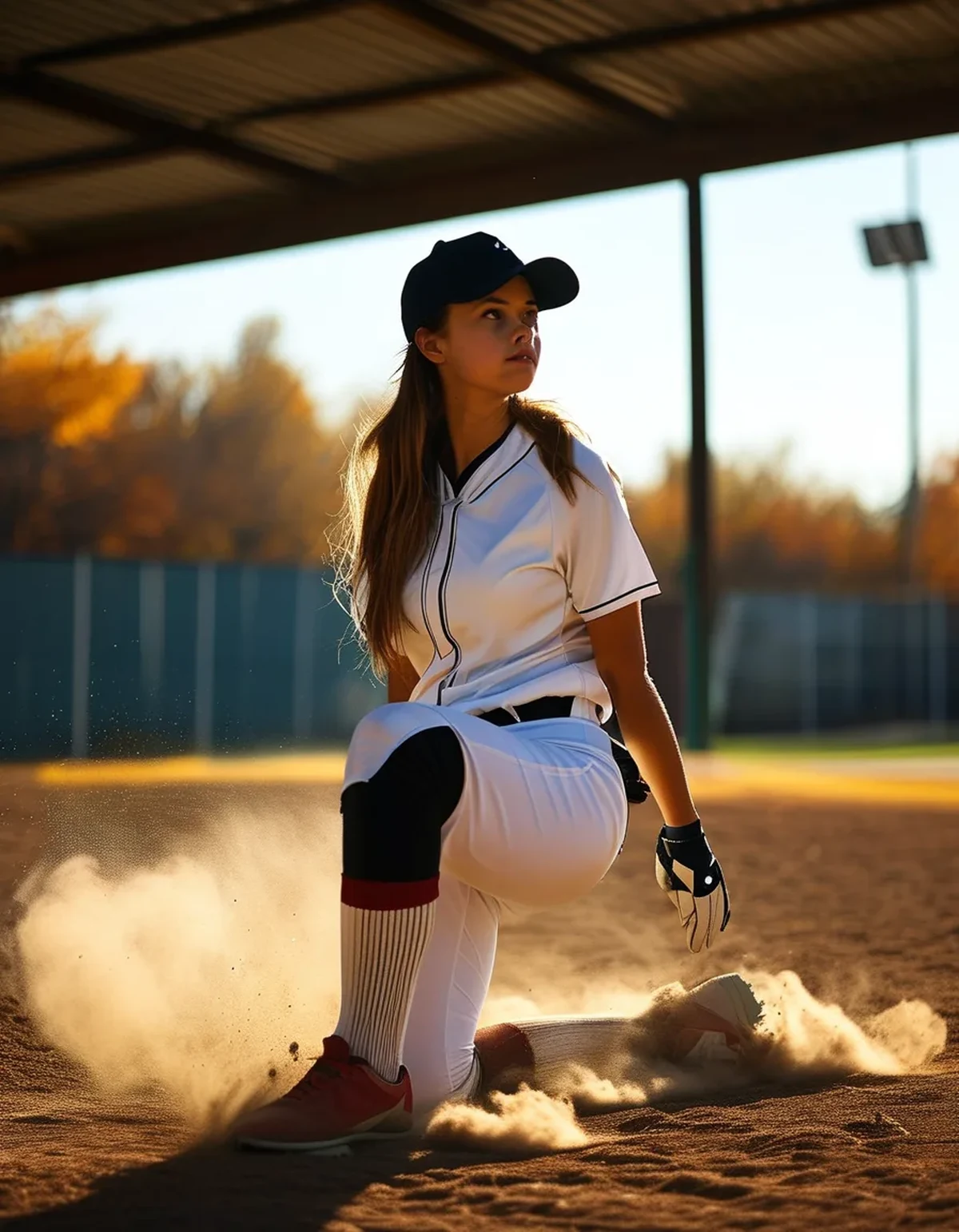
What is actually different about cold infield dirt?
Moisture is what makes infield dirt slide. Groomed infield mix holds water, and that water lets the top layer shear under you. Cold dry dirt has lost most of it, so the surface compacts rather than shearing.
Cold ground is also physically harder. Soil stiffens as temperature drops, so the same impact transmits more force back into your body rather than being absorbed by the surface.
Late-season fields are more compacted. A whole season of play and less frequent grooming leaves the base paths packed down, which is exactly the condition that produces short, abrupt slides.
Frost or dew changes it again, and unpredictably. An early morning game on a field with overnight moisture can have a slick top over a hard base - the worst combination, because you accelerate then stop hard.
And the visual cue is misleading. Dry dirt looks loose and dusty, which reads as soft, when in fact the loose top layer is a thin skin over compacted ground. Kick it before the game - if your toe barely marks it, expect a short abrupt slide.
What goes wrong specifically?
You slide shorter than you expect and come up short of the base. This is the most common outcome, and the instinctive reaction - reaching with the foot or lunging with the hand - is where injuries happen.
Abrasion replaces gliding. With no shear layer, your leg drags across a rough hard surface. Strawberry scrapes in October are far worse than in July for the same slide.
Ankles catch and jam. A foot that would slide over softer dirt can catch on a hard packed edge, and a caught foot with body weight behind it is how ankles and knees get hurt. This is the injury pattern to actually worry about.
Head-first slides get worse faster. Hands and wrists take the impact on a harder surface, and finger and wrist injuries increase sharply when the dirt stops giving.
And late commitment is the underlying cause of most of it. Hesitating means starting the slide too close to the bag, which on hard ground means arriving at speed rather than decelerating - the exact scenario where feet catch.
How should I adjust?
Start your slide earlier - roughly a full stride sooner than you would on summer dirt. You will slide less far, so you need to begin from further out.
Commit fully or do not slide at all. Hesitation is the single largest risk factor. A decision made two strides out is safe; a decision made one stride out is not, and running through the bag is always an acceptable answer at first base.
Favour the bent-leg slide over head-first. The bent-leg slide keeps your hands up and away from the ground and spreads the contact over the hip and outer thigh rather than through wrists and fingers.
Keep both hands up, fists loosely closed. Hands down is how fingers get caught and jammed. Making a deliberate fist or holding your batting gloves keeps the fingers from splaying - a standard coaching cue for exactly this reason.
Slide on the outer thigh and hip, not the tailbone. Landing flat on the back is both more painful and less controlled on hard ground.
And wear sliding shorts with padding, plus long socks or sliding sleeves in cold weather. Skin protection matters far more when the dirt is abrasive, and this is genuinely the cheapest injury prevention available.
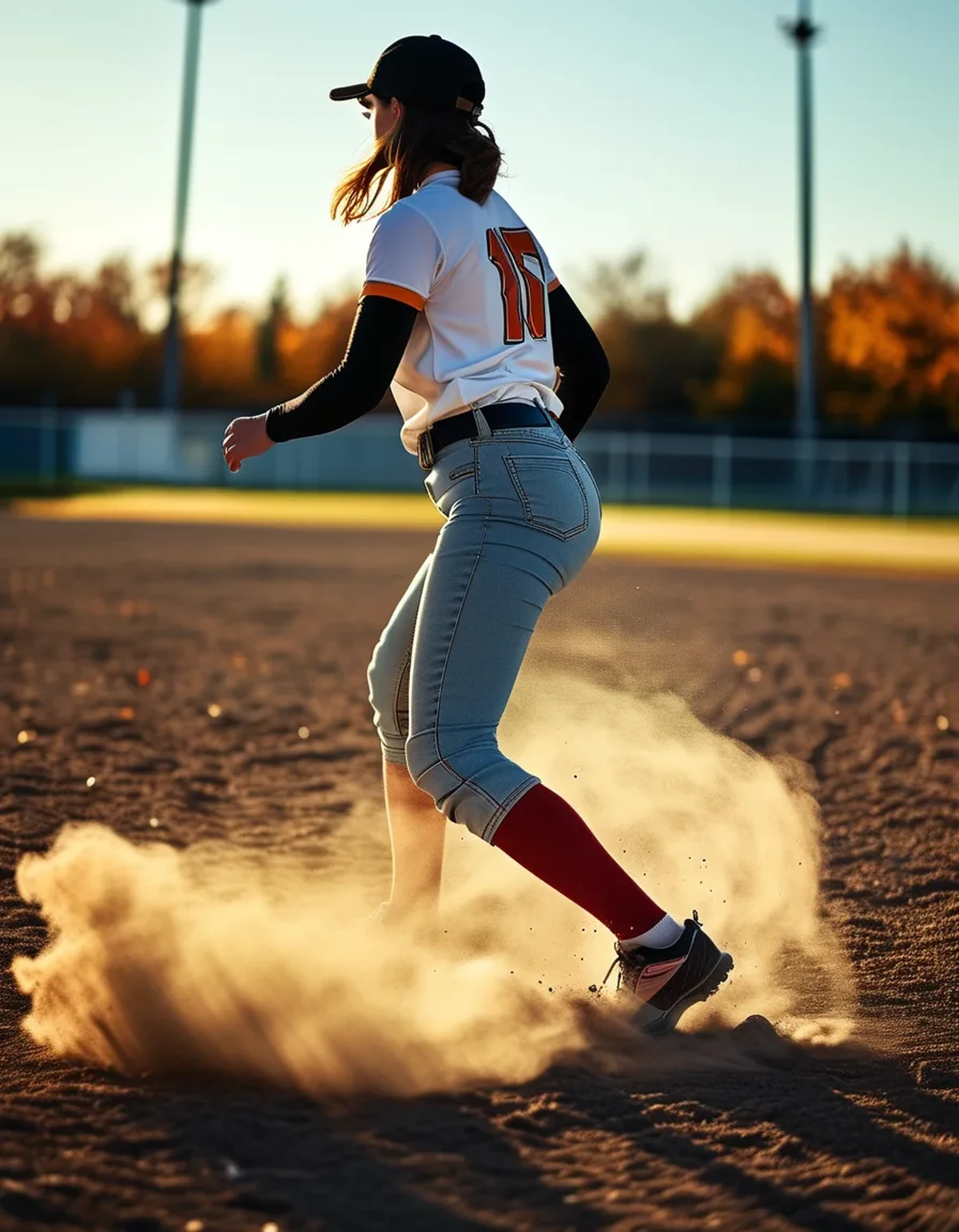
What Nobody Tells You About Late-Season Sliding
Cold muscles slide worse, and this is underrated. A slide requires a fast controlled drop into a flexed position. Cold hips and hamstrings do that less well, and the resulting stiff landing is harder on everything.
Warm up specifically for it. Two or three practice slides in the outfield grass before a cold game re-establishes the movement pattern, and most players do zero.
Check the field before the first inning. Walk the base paths, kick the dirt near each bag, and look for hard patches and lips at the base edge. The dirt is often different at each base depending on wear and shade.
Shaded infields are colder and harder. As the sun gets lower in autumn, parts of the infield stay in shadow all game and behave differently from the sunlit parts. That is not a small effect late in the season.
Base type matters more on hard ground. A base that does not release or a stuck anchor is a serious hazard, and worth mentioning to whoever is running the game if you notice it.
And know when to just not slide. No play at the bag, a big lead, a hard frozen infield - the slide has no value in those situations and all of the risk. Good baserunners slide less often than beginners think, not more.
One honest note on injuries: an ankle or knee that catches during a slide and then swells, gives way, or cannot bear weight needs proper assessment rather than taping and continuing. This is general information, not medical advice.
How do I practise this safely?
Practise on wet grass first, always. Grass with a bit of moisture is the standard low-risk surface for learning slide mechanics and it removes the abrasion risk entirely while you work on form.
Start from a walk, then a jog, then a run. Most sliding injuries in practice come from starting at full speed. Three progressive speeds over one session is the sensible build.
Work on the commitment point specifically. Put a cone where you should begin the slide and practise starting from there regardless of how it feels - the hesitation habit is what you are training out.
Practise both sides. Most players can only slide one way, which means one side of the bag is unavailable to them and they end up sliding into a tag. Ten repetitions on the weak side is enough to start.
Wear the full kit when practising. Sliding shorts, long socks, and the shoes you will play in. Practising in different footwear teaches a different slide - cleats grip and catch very differently from trainers.
And rehearse the pop-up. Coming out of a bent-leg slide onto your feet is a separate skill, and it is what turns a slide into an extra base when the ball gets away. It is also easier on the body than lying flat and getting up.
FAQ: Cold Weather Sliding, Answered
Why does the same slide hurt more in autumn?
Cold dry dirt has lost the moisture that lets the surface shear under you. It compacts instead of sliding, so you stop more abruptly and the surface abrades rather than glides.
Should I start my slide earlier on hard ground?
Yes - roughly a full stride sooner. You will travel less distance, so beginning from further out prevents arriving at the bag still at speed.
Is head-first sliding more dangerous in cold weather?
More so than usual. Wrists and fingers take the impact on a harder surface, and finger injuries increase noticeably when the dirt stops giving.
What causes ankles to catch during a slide?
A foot meeting a hard packed edge instead of sliding over it, usually because the slide started too late and arrived at speed. Committing earlier is the main prevention.
Do sliding shorts actually help?
Yes, especially on abrasive late-season dirt. Padded sliding shorts plus long socks or sleeves are the cheapest and most effective protection available.
When should I not slide at all?
When there is no play at the bag, when you are hesitating, or when the ground is frozen hard. A slide with no tactical value carries all of the risk and none of the benefit.
How do I practise without getting hurt?
On damp grass, in full kit, progressing from a walk to a jog to a run within one session. Grass removes the abrasion risk while you work on the mechanics.
TL;DR:
- Cold dry infield dirt compacts instead of shearing. You slide shorter and stop harder, and the surface abrades rather than glides.
- Start your slide a full stride earlier than you would in midsummer.
- Commit fully or do not slide. Hesitation is the single largest risk factor for a caught ankle.
- Bent-leg over head-first, hands up in loose fists, contact on the outer thigh and hip.
- Padded sliding shorts and long socks are the cheapest protection there is, and matter far more on abrasive dirt.
- Kick the dirt at each bag before the game - shaded and sunlit parts of an autumn infield behave differently.
- Practise on damp grass, in full kit, building from a walk to a run.
An ankle or knee that catches, swells, or gives way needs proper assessment. This is general information, not medical advice.
Keep Reading
This article is for general informational and styling purposes only. Fit, sizing, and product availability may vary.